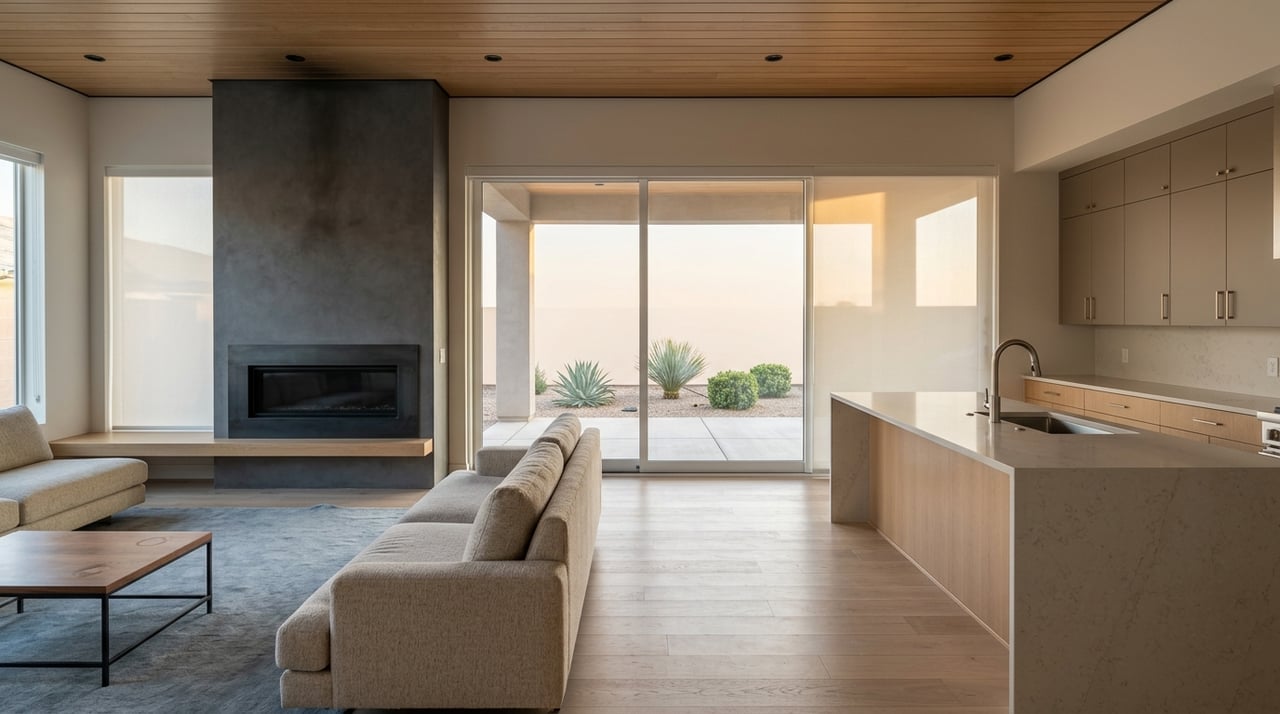
Las Vegas First-Time Homebuyer Guide for Buying Smart
May 14, 2026
May 14, 2026
Buying your first home in Las Vegas can feel exciting one minute and overwhelming the next. Prices, neighborhoods, inspections, HOA documents, and closing costs can all start to blur together fast. The good news is that when you understand the local market and the steps ahead, the process becomes much easier to manage. This guide will walk you through what to expect as a first-time buyer in Las Vegas so you can move forward with more confidence. Let’s dive in.
If you are buying your first home in Las Vegas, it helps to start with a realistic picture of today’s market. Recent local snapshots show median listing prices around $460,000, while a January 2026 market snapshot showed a median sale price of $430,000. Homes have also been spending about 48 to 52 days on market, which can give you a little more time to compare options than in a very fast market.
That said, good homes that match your budget and priorities can still move quickly. As a first-time buyer, you want enough time to evaluate your choices, but you also want to be financially ready when the right home appears.
One of the biggest first-time buyer lessons in Las Vegas is that your neighborhood choice can change your budget in a major way. Recent market snapshots show notable pricing differences across nearby areas.
Here is a simple example of how pricing can vary:
This is why local guidance matters. If one area feels out of reach, another nearby community may offer a different price point, home style, or monthly payment that fits your goals better.
Before you tour homes seriously, get preapproved with a lender. A preapproval letter shows a lender’s tentative willingness to lend up to a certain amount, which gives you a stronger sense of your buying range.
Just as important, preapproval helps you set your own comfort zone. You will want to think beyond the maximum loan amount and decide what monthly payment feels manageable for your lifestyle, savings goals, and move-in plans.
Your budget is more than the home price. In Las Vegas, you should plan for your down payment, closing costs, and the practical expenses that come with moving into a home for the first time.
Closing costs typically run about 2% to 5% of the purchase price, not including your down payment. Depending on the property, you may also have county recording and transfer-related charges, HOA document fees, inspection costs, and reserves for immediate repairs or setup after move-in.
If saving for upfront costs has been the hardest part, Nevada does offer a program worth reviewing. The Nevada Housing Division’s Home Is Possible first-time program currently offers up to 4% in down-payment assistance, and the funds can be used toward closing costs.
The current program information also includes a few key requirements. Buyers must generally not have owned a primary residence in the last 3 years, must meet a minimum 640 credit score requirement, must occupy the home as a primary residence, and must complete homebuyer education. Current Clark County program limits list a maximum home purchase price of $544,232, with household income limits of $102,000 for two or fewer people and $117,300 for three or more people.
Once you find a home you want to buy, the next stage usually includes making an offer, negotiating terms, and opening escrow after acceptance. This is where details matter, especially for first-time buyers who may be seeing the paperwork and deadlines for the first time.
A common Nevada planning assumption is about 30 to 45 days from accepted offer to closing for a financed purchase. However, the timeline can stretch if appraisal, underwriting, title work, or HOA documents take longer than expected.
Earnest money is a good-faith deposit that shows you are serious about the purchase. If the sale closes, that money may be applied to your closing costs or down payment, depending on the contract terms.
The amount and conditions can vary, so the most important thing is not a one-size-fits-all number. What matters is understanding the timing, the purpose of the deposit, and the contract terms that control how it is handled.
During escrow, several moving pieces happen at once. Your lender works through final loan approval, the title company handles title and closing tasks, inspections are completed, and required documents are gathered.
At closing, ownership is finalized and recorded with the Clark County Recorder. The county also collects real property transfer tax, and the published fee schedule lists standard recordings at $42 per document.
A home inspection is always important, but in Las Vegas, some systems and conditions deserve extra attention because of the climate and local ownership realities. Scheduling your inspection quickly gives you time to review the condition of the home and decide how you want to move forward.
For first-time buyers in Southern Nevada, these items deserve a close look:
Nevada guidance also highlights mold risk around leaks, poor ventilation, and HVAC drip pans. In practical terms, that means moisture issues should never be brushed off just because you are buying in a dry climate.
Nevada requires a state-approved Wood-Destroying Pest Inspection Report form. That report does more than look for active pest issues. It also covers conditions that can contribute to infestation, including excessive moisture and earth-to-wood contact.
For a first-time buyer, this is a helpful reminder that due diligence is not just about what is broken today. It is also about spotting conditions that could become bigger problems later.
Many Las Vegas-area homes are in common-interest communities, so HOA review is often a real part of the transaction, not a minor side item. If the property is in an HOA, Nevada resale-package rules become important.
Under Nevada rules, the HOA must furnish the resale package within 10 calendar days of a written request, and the package remains effective for 90 calendar days. That package includes items such as CC&Rs, bylaws, rules, budgets, reserve information, and fee or assessment disclosures.
As you review an HOA resale package, focus on the rules, monthly fees, special assessment disclosures, and the general financial information provided. You want to understand not just the payment, but also the restrictions and responsibilities that come with the property.
This review can affect your timeline and your comfort level with the purchase. For that reason, HOA documents should be treated as a meaningful decision point, not just another stack of papers to sign.
Water use is a practical ownership issue in Southern Nevada. If the home has landscaping or irrigation, you will want to pay close attention during inspections and walkthroughs.
Local water rules prohibit watering outside assigned days, and sprinklers are not allowed between 11 a.m. and 7 p.m. from May 1 through August 31. Malfunctioning irrigation or supply lines are also expected to be repaired within 48 hours.
In this region, outdoor water use is a major issue, which makes efficient irrigation and desert-friendly landscaping more than cosmetic features. They can affect maintenance, water use, and your day-to-day ownership experience.
When you tour a property, look for signs that the irrigation system is working properly and that the landscaping appears manageable for your budget and routine. It is a small step that can save you stress after closing.
As a homeowner in Clark County, you will want to understand how property taxes are billed and how primary residence status can affect tax-cap treatment. Real property taxes are billed once per fiscal year and paid in four installments due in August, October, January, and March.
Clark County also treats a primary residence differently for tax-cap purposes. According to the assessor, the 3% tax cap applies to an owner’s primary residence, while other properties are capped at 8%.
That distinction matters for first-time buyers planning to live in the home. After a purchase or change in ownership after July 1, the assessor mails tax-cap abatement notices.
If you want to keep your first purchase as smooth as possible, focus on a few basics. Start with a clear budget, compare neighborhoods carefully, review monthly ownership costs, and stay organized once you go under contract.
It also helps to work with a local agent who can explain how Las Vegas factors like HOA packages, irrigation concerns, property-condition details, and neighborhood pricing differences may affect your decision. Experience and local context can make the process feel much more manageable.
Buying your first home is a big milestone, but it does not have to feel like guesswork. With patient guidance, strong communication, and a clear plan, you can make informed decisions at each step. If you are preparing to buy your first home in Las Vegas, Amy Canale can help you navigate the process with local insight and steady support.
Stay up to date on the latest real estate trends.


Contact Amy today to learn more about her unique approach to real estate and how she can help you get the results you deserve.

Amy Canale/ Broker-Salesperson, Realtor, BS.0146092, ABR, AHWD, CRS, GRI
8337 West Sunset Road Suite 240 Las Vegas, NV 89113