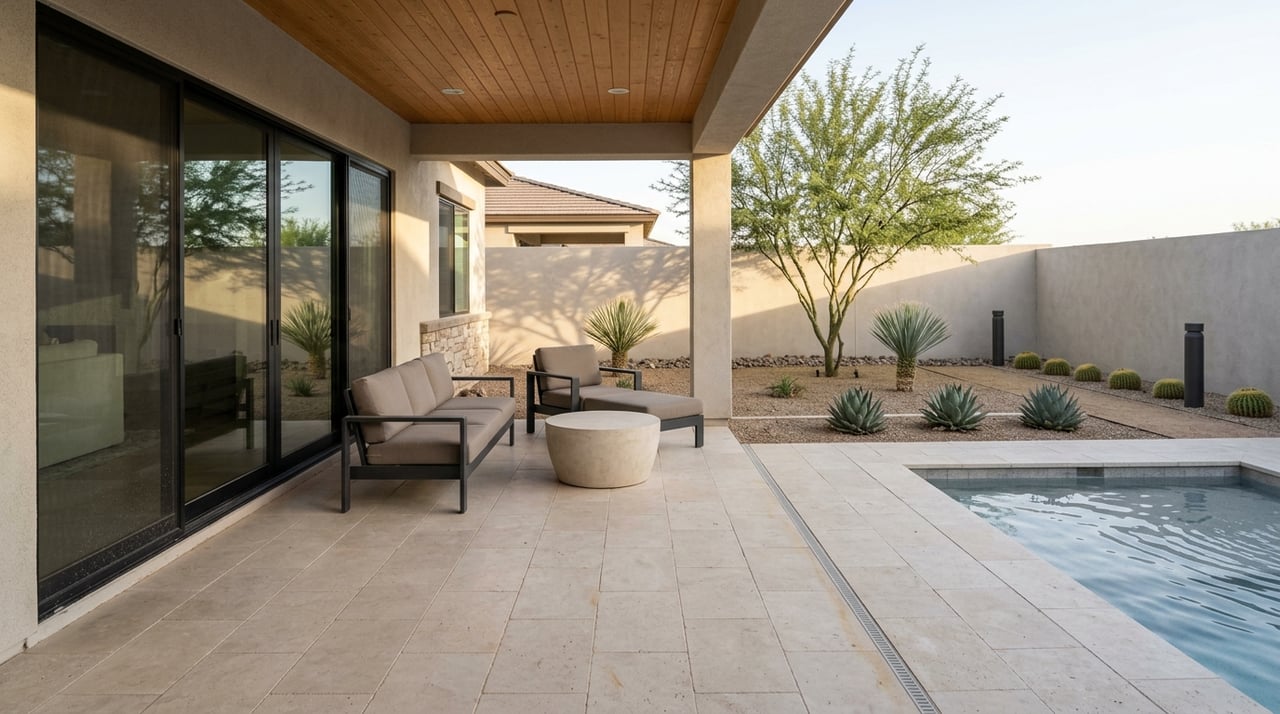
Outdoor Living And Community Life In Las Vegas
May 28, 2026
May 28, 2026
If you only picture Las Vegas as bright lights and hot summers, you might miss one of the best parts of living here: the outdoor lifestyle is real, varied, and woven into daily community life. Whether you are relocating, buying your first home, or simply trying to understand how people actually spend time outside in the valley, it helps to know how locals use parks, trails, plazas, and nearby recreation areas throughout the year. Here’s a practical look at how outdoor living works in Las Vegas and what that can mean for your day-to-day lifestyle. Let’s dive in.
Las Vegas is one of the driest major metro areas in the continental United States, and the climate shapes how people enjoy the outdoors. Spring and fall are usually the most comfortable seasons for outdoor activity, while summer often calls for early morning outings, evening plans, and places with shade or water features.
NOAA climate normals for Las Vegas show average highs of 99.4°F in June, 104.5°F in July, and 102.8°F in August. That does not mean outdoor life stops in summer, but it does mean timing matters. In Las Vegas, outdoor living is often about choosing the right season, the right hour, and the right setting.
One of the biggest surprises for many buyers is how much everyday outdoor access exists across the valley. Las Vegas offers a broad network of parks, trails, and trail-connected sidewalks that support walking, biking, recreation, and casual time outside close to home.
City sources describe a substantial trail system, with figures ranging from more than 59 miles of pedestrian and bike trails to about 104 miles of trails and trail-connecting sidewalks, plus 11 miles of equestrian trails. While the totals vary by how the system is measured, the larger point is clear: Las Vegas has a meaningful network that supports regular outdoor use.
The city’s long-range goal is a trail network of more than 200 miles connecting areas such as Red Rock Canyon, downtown Las Vegas, east Las Vegas neighborhoods, and outlying west and northwest areas. Named routes include Angel Park Trail, Bonanza Trail, Las Vegas Wash Trail, Pioneer Trail, Lone Mountain Trail, Floyd Lamb Park trails, and the Cultural Corridor Trail.
That matters if you are comparing neighborhoods by lifestyle, not just by price or floor plan. In many parts of Las Vegas, outdoor access is not limited to destination parks. It can be part of your weekly routine through nearby trails, connected public spaces, and recreation facilities.
Outdoor living in Las Vegas is also tied to community spaces that bring people together. The city describes its community centers as hubs for connection, healthy living, and learning, with programming that can include sports, fitness, arts and crafts, youth activities, newsletters, and special events.
Examples like Doolittle Community Center and Veterans Memorial Community Center show that local lifestyle is about more than open space alone. Community life often blends indoor and outdoor amenities, giving residents flexible ways to stay active and connected throughout the year.
This can be especially helpful when you are trying to choose an area that fits your routine. Some buyers want quick access to trails and open-air recreation, while others also value nearby programming, gathering spaces, and activities that help make a neighborhood feel active and connected.
If you prefer a more urban setting, Las Vegas still offers outdoor community life. The Las Vegas Civic Center and Carolyn G. Goodman Plaza is designed as a year-round outdoor gathering place with festivals, performances, community events, and rentable public space.
City materials also note recurring events there, including a farmers market and Food Truck Thursday. That kind of regular schedule adds an important layer to the lifestyle story. It shows that outdoor living in Las Vegas is not only about hiking or sports. It can also mean walkable public events, live gatherings, and shared civic spaces.
For people who want classic park amenities, Clark County adds major scale. The county says it provides over 100 public parks, along with 16 urban recreation and community centers, 14 pool facilities, 10 skate parks, and 7 dog parks.
Sunset Park stands out as one of the area’s signature outdoor spaces. Clark County describes it as the largest and most distinguished park in its system, with picnic areas, walking paths, a fitness course, splash pad, disc golf course, dog park, pond, and sports courts and fields.
It also hosts major events such as the Age of Chivalry Renaissance Festival. For residents, parks like this expand the outdoor lifestyle well beyond a quick walk around the block. They create room for gatherings, recreation, events, and longer weekend outings without leaving the valley.
A big part of living in Las Vegas is having access to very different outdoor settings within a relatively short drive. That variety gives the region a broader lifestyle appeal than many newcomers expect.
Red Rock Canyon National Conservation Area is about 17 miles west of the Strip and is one of the most recognizable outdoor destinations in the region. It offers a 13-mile scenic drive, hiking, rock climbing, horseback riding, biking, picnic areas, and a visitor center.
If you plan to use the Scenic Drive during the busier season, timing matters here too. Timed-entry reservations are required between October 1 and May 31. For many residents, Red Rock becomes part of the regular rhythm of life, especially in cooler months.
Clark County Wetlands Park offers a very different experience on the east side of the valley. The park spans 2,900 acres, includes a 210-acre Nature Preserve, and has multiple trailheads. It is free to visit, and trails and trailheads are open daily from dawn to dusk.
The Nature Center adds programs, guided walks, art, children’s activities, and volunteer opportunities. The park also reports more than 300 bird species and more than 70 species of mammals and reptiles, which gives the area a distinct outdoor character compared with the desert trails on the valley’s west side.
Lake Mead National Recreation Area adds even more range to the regional lifestyle. It is described as a year-round recreation area with scenic drives, biking, hiking, boating, fishing, camping, and more.
The River Mountains Loop Trail adds another notable option, with a 16.2-mile one-way paved route within the recreation area and a 34-mile looped system overall. For buyers who want variety, this kind of access helps show that Las Vegas outdoor life is not one-note.
Springs Preserve is another strong example of how outdoor living in Las Vegas can be both active and educational. It includes 3.5 miles of trails across 110 acres of native habitats and archaeological sites, and the main loop is paved and wheelchair accessible.
Its trail operations also reflect a very local reality: trails close during excessive heat warnings. That detail says a lot about how residents use the outdoors here. Las Vegas rewards people who plan around the weather.
The valley’s geography gives residents another useful lifestyle option. The west side rises into the Spring Mountains, including Mount Charleston, offering a higher-elevation contrast when valley temperatures run hot.
For many people moving to the area, this is an unexpected advantage. You can have a desert metro lifestyle while still keeping a cooler mountain setting within reach.
If outdoor living matters to you, it helps to think beyond the home itself. In Las Vegas, lifestyle often comes down to how close you want to be to trails, large parks, civic gathering spaces, community centers, or regional recreation areas.
For example, city trail planning suggests west and northwest parts of the valley connect naturally to Red Rock-oriented recreation. East Las Vegas aligns more closely with the Wash and Wetlands corridor, while downtown connects to civic and cultural outdoor spaces. Those patterns can help you narrow your search based on how you actually want to spend your time.
This is especially important if you are relocating and trying to learn the valley quickly. A home may look great on paper, but your daily experience can feel very different depending on whether you want easy access to walking paths, event spaces, splash pads, dog parks, or weekend nature outings.
In Las Vegas, outdoor living is not just a bonus feature for a listing description. It is a practical part of how many residents use their neighborhoods, plan their weekends, and think about convenience.
The key is understanding the local pattern. You are not looking for one perfect park or one single destination. You are looking at a layered system of city trails, county parks, community centers, public plazas, and nearby recreation areas that together shape the lifestyle.
If you are weighing where to live in Las Vegas, Henderson, Summerlin, North Las Vegas, Spring Valley, Boulder City, or nearby areas, it helps to work with someone who can connect the map to your real routine. If you want guidance on finding a home that fits the way you want to live, connect with Amy Canale.
Stay up to date on the latest real estate trends.
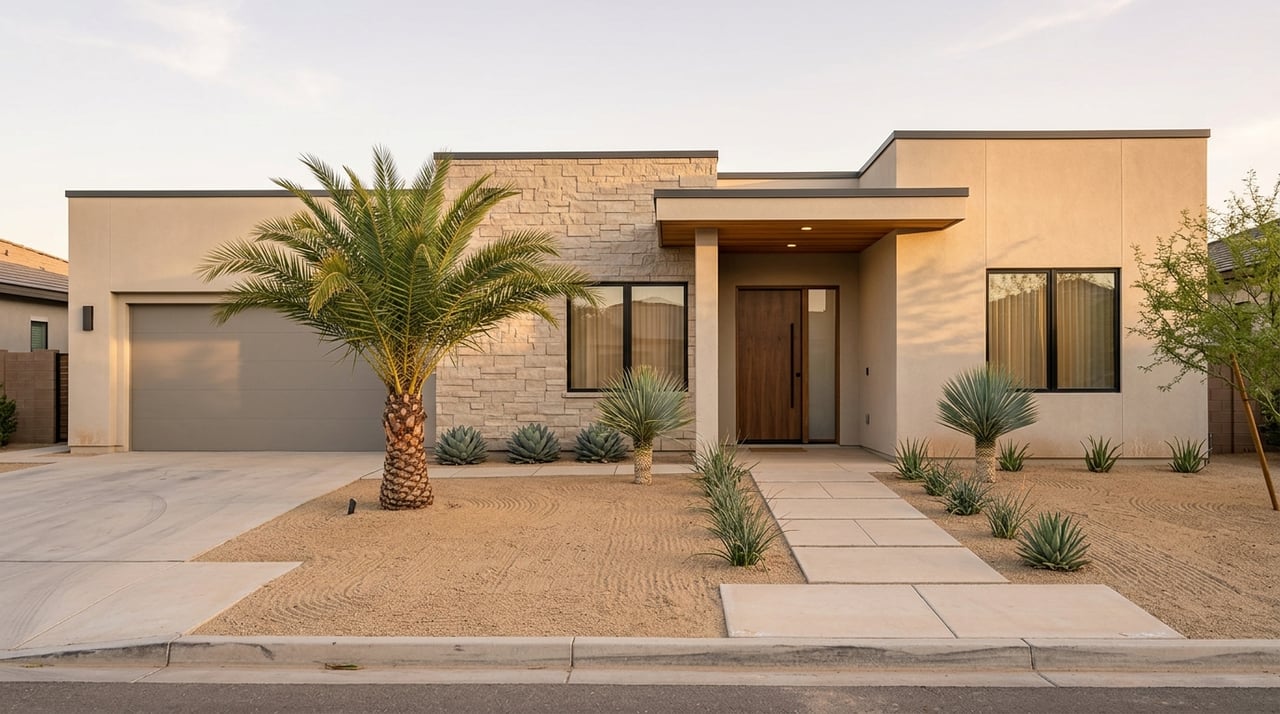
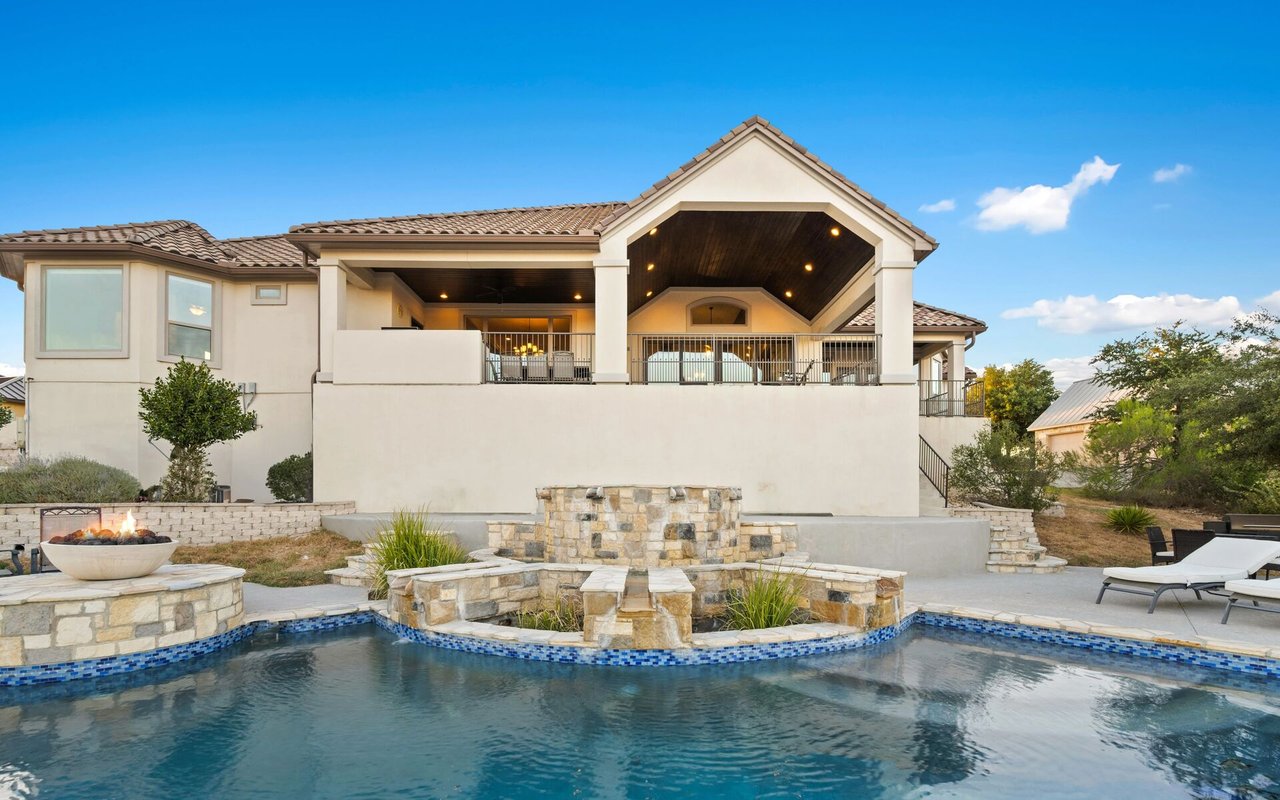
Any major purchase requires research, careful analysis, consideration, and thought.
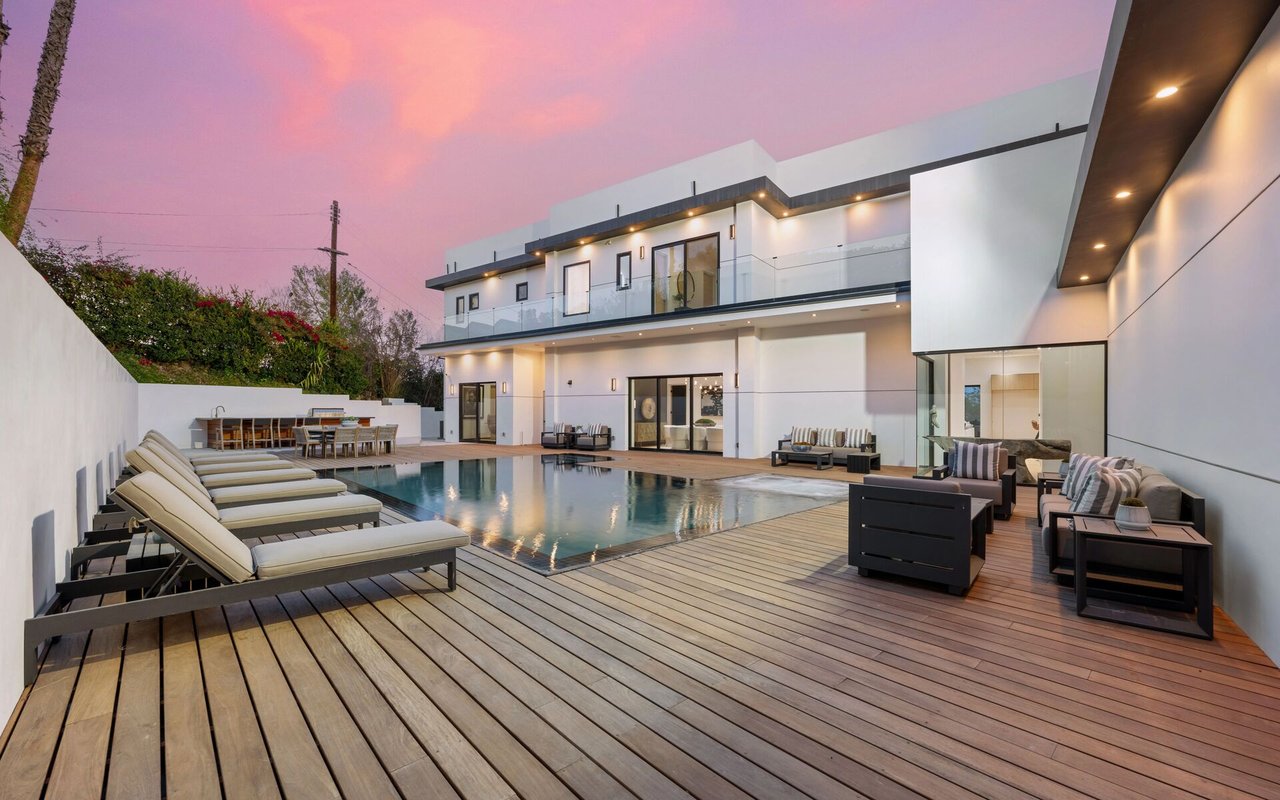
Unlock the secrets to a seamless home selling experience.
Stay informed about the latest real estate trends in your area.
Contact Amy today to learn more about her unique approach to real estate and how she can help you get the results you deserve.
Amy Canale/ Broker-Salesperson, Realtor, BS.0146092, ABR, AHWD, CRS, GRI
8337 West Sunset Road Suite 240 Las Vegas, NV 89113